
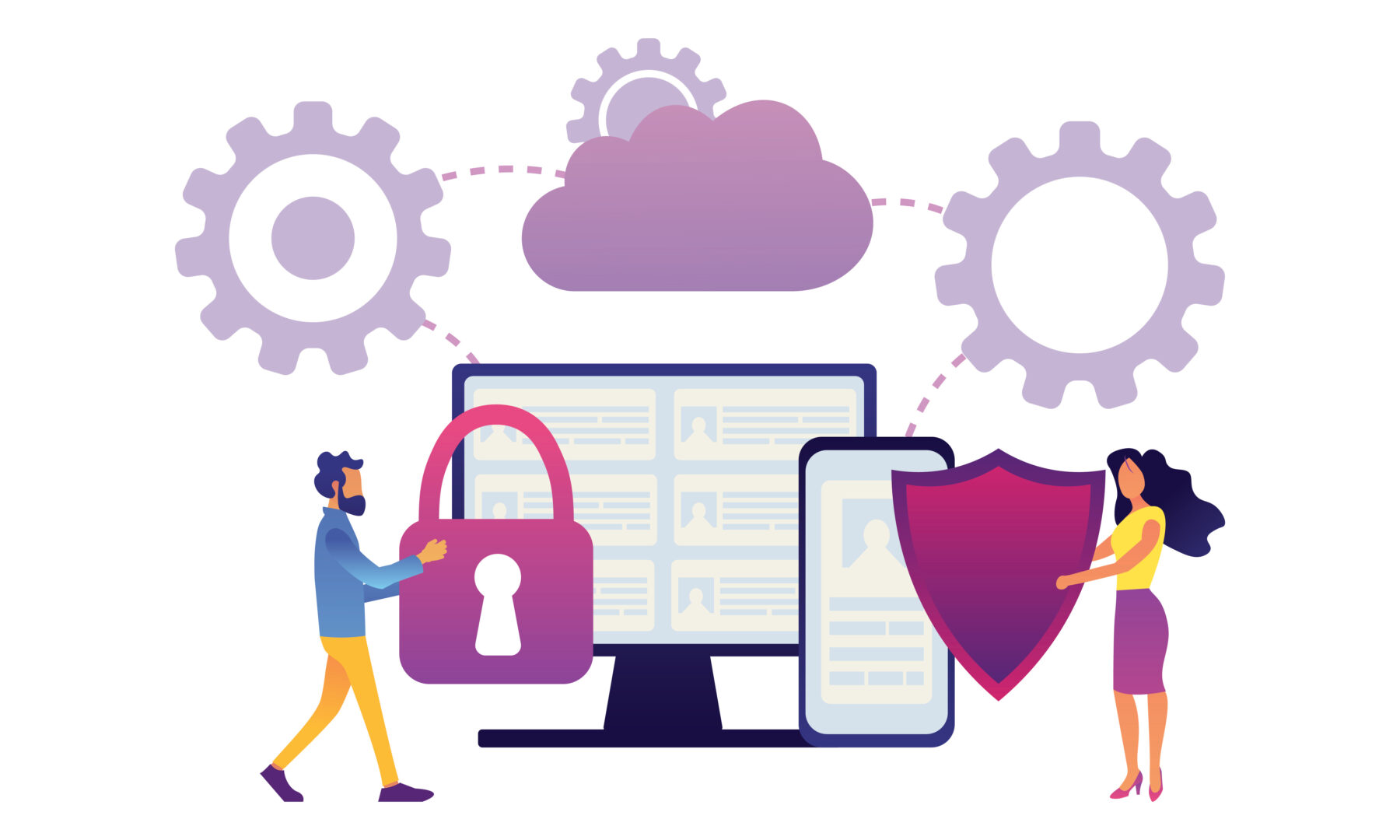
The Shift from Volume-Based Marketing a Permission-Based Culture
The customer acquisition market is undergoing its deepest transformation since the rise of programmatic advertising. For years, lead generation and remarketing relied on an invisible, hyper-fragmented tracking ecosystem. However, stricter global data protection regulations and technical restrictions implemented by major web browsers have officially decreed the end of third-party cookies.
As a result, brands that double down on invasive strategies lose technical efficiency and face severe reputational crises. Moving toward a model focused on ethical marketing and privacy-first strategies is no longer just a legal compliance requirement—it has become a critical business necessity.
The End of Invasive Tracking and the New Consumer Maturity
The demise of third-party cookies reflects a profound cultural shift. Today’s consumers have developed a new digital maturity; they are highly aware of the value of their personal information and demand transparency regarding how it is collected, stored, and utilized. The feeling of intrusion caused by seeing a hyper-targeted ad based on random browsing behavior has eroded the relationship between brands and users.
According to privacy-focused market studies, the vast majority of consumers state they would stop buying from a brand that uses their data without explicit consent.
The Pillars of Ethical Marketing: From Bureaucratic Consent to Real Value
Many organizations have limited their privacy strategies to a reactive approach, simply deploying cookie banners and complex privacy policies. However, ethical marketing requires transforming the bureaucratic compliance of regulations (such as Brazil’s LGPD or Europe’s GDPR) into a proactive stance that delivers tangible value for the user.
A mature privacy-first strategy stands on three fundamental pillars:
- Radical Transparency: Users must understand exactly why their data is being requested and how it will improve their experience with the brand.
- Data Minimalism: Collecting only what is strictly necessary for operations. Lengthy, invasive forms are replaced by highly objective touchpoints.
- Fair Value Exchange: Access to personal data should be the natural byproduct of delivering high-value content, tools, or benefits—never a forced barrier.
When data collection shifts from passive tracking to a conscious transaction, lead quality reaches a new tier. Consent stops being a technical hurdle and becomes the consumer’s first vote of confidence in the brand.
Practical Strategies for Driving Engagement in a Privacy-First Ecosystem
Transitioning to a cookieless market does not dismantle performance campaigns; it merely shifts the focus to owned channels and direct interactions. Two main methodological frameworks can sustain lead generation during this transition:
Leveraging Proprietary Data (First-Party Data)
First-party data is information collected directly by your brand through channels you own and control. This includes website browsing behavior, newsletter engagement, and interaction history within your CRM.
Strengthening your first-party data ecosystem means turning your corporate channels into high-relevance content hubs. When a professional visits your company’s blog looking for industry solutions, the digital footprint of interest they leave behind is infinitely more accurate and qualified than any list purchased from third parties.
The Power of Direct Interactions (Zero-Party Data)
While first-party data analyzes user behavior across your channels, zero-party data consists of information that the customer intentionally and proactively shares with you.
This data is gathered through interactive experiences, such as:
- Business maturity assessment quizzes.
- Content preference surveys.
- Profile configurations within email preference centers.
By allowing users to actively declare their pain points and interests, marketing operations eliminate the guesswork of targeting algorithms. Marketing begins delivering exactly what the lead requested, drastically boosting conversion and open rates.
Why the Privacy-First Transition Demands Experts at the Helm
Flipping the switch to an ethical marketing model isn’t something that can be solved just by installing a new consent plugin on your website. It requires a deep restructuring that bridges technology, digital law, data analytics, and, above all, a shift in performance campaign architecture. Without skilled technical leadership, companies risk watching their conversion rates plummet—or worse, facing severe regulatory penalties.
Partnering with specialized experts delivers clear competitive advantages:
- Secure Technical Integration: Implementing first-party and zero-party data solutions requires the correct configuration of CRM tools, Customer Data Platforms (CDPs), and direct conversion APIs, ensuring no data is lost in the process.
- Advanced Analytical Intelligence: With less third-party data available, specialized professionals know how to read micro-indicators and build precise testing scenarios, keeping campaigns optimized without compromising user privacy.
- Legal and Reputational Safety: The technical team works in total synergy with regulatory compliances like the LGPD, ensuring every capture point is a legal stronghold and a trust generator.
Leaving this transition in the hands of specialized partners is what separates the brands that will lose market share from those that will lead this new digital era.